
New gutters may not be the most noticeable home improvement, but they have an important job. A properly installed gutter system collects rainwater from the roof and directs it away from the house. When the system is poorly sized, improperly pitched, or incorrectly installed, homeowners can end up dealing with overflowing gutters, standing water, leaks, and drainage problems.
That makes choosing a gutter installation company about more than comparing estimates.
The contractor should be able to evaluate your home, explain what type of gutter system it needs, and install it correctly. Before hiring someone, it helps to know what should be included in that process and what questions to ask.
What Should a Gutter Installation Company Look at Before Giving You an Estimate?
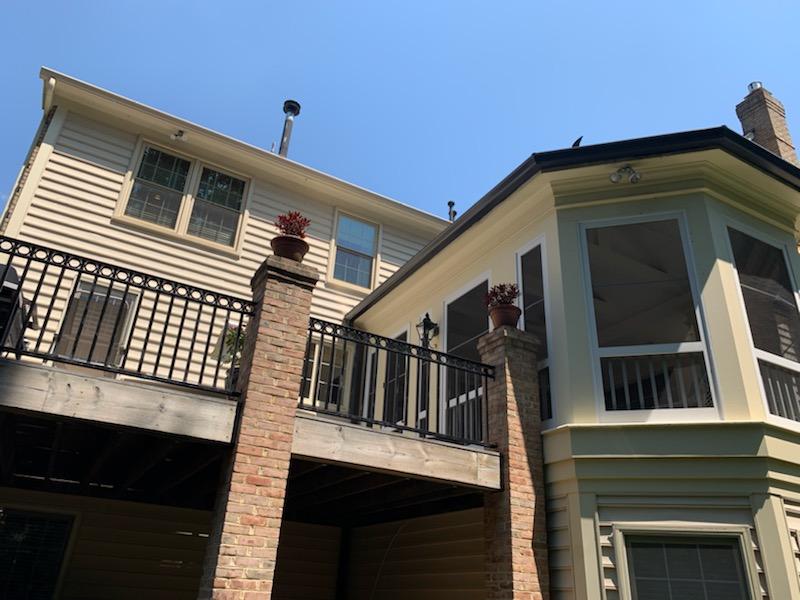
Every home is different, so a gutter estimate shouldn’t be based solely on the linear footage around the roof.
A professional gutter contractor should look at the roofline, existing gutters and downspouts, drainage patterns, and the condition of the areas where the gutters will be attached. If you’re replacing an existing system, the contractor should also consider why those gutters are no longer performing properly.
For example, gutters that regularly overflow may simply be clogged. But if clean gutters still can’t keep up with heavy rain, the problem could involve gutter size, pitch, downspout capacity, or the way water comes off the roof.
Replacing an old system with an identical setup may simply recreate the same problem.
Should You Choose 5-Inch or 6-Inch Gutters?
One of the decisions that may come up during a new gutter installation is gutter size.
Five-inch gutters are common on residential homes, but 6-inch gutters provide additional capacity and may be better suited to homes with larger or steeper roof areas or sections where a substantial amount of water is concentrated.
Bigger isn’t automatically better, though. The appropriate size depends on the home and its drainage needs.
A gutter installer should be able to explain why a particular size is being recommended rather than simply installing the same size that was already on the house.
Are Seamless Gutters Better?
When comparing gutter installation companies, you’ll probably hear the term “seamless gutters.”
Traditional sectional gutters are assembled from multiple pieces. Each connection creates a seam that can potentially loosen or develop a leak over time.
Seamless gutters are formed in long, continuous sections to fit the dimensions of the home. Corners and other necessary connections still exist, but the long gutter runs contain fewer joints.
For that reason, seamless gutters have become a popular choice for residential installations. They also provide a clean, finished appearance because they’re fabricated specifically for the home.
Don’t Forget About the Downspouts
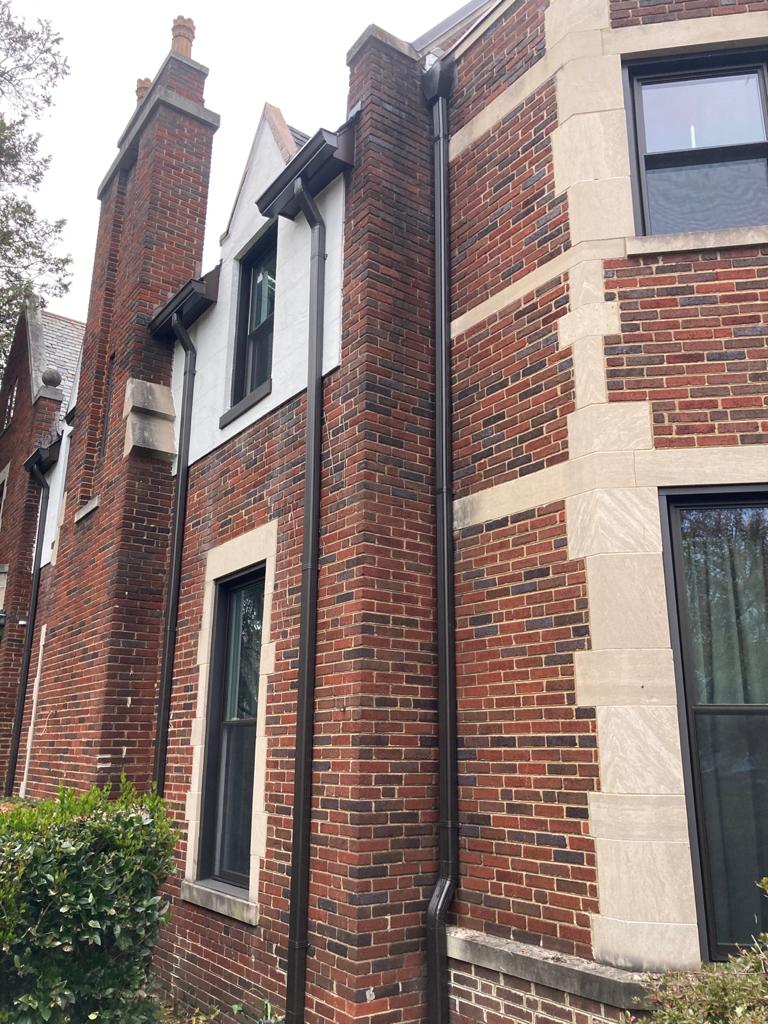
It’s easy to focus on the gutters themselves, but downspouts are just as important.
A gutter can collect plenty of water and still overflow if that water can’t leave the system quickly enough.
The number, size, and location of the downspouts should work with the gutters and roofline. Once water reaches the bottom of the downspout, it also needs somewhere appropriate to go.
Ask the contractor where the downspouts will be located and how water will be directed away from the house. If your current system creates puddles or sends water toward the foundation, a new installation is an opportunity to improve the drainage layout.
What Happens If the Fascia Is Damaged?
Gutters are commonly attached along the fascia at the edge of the roof. If that wood is deteriorated, rotted, or otherwise damaged, it may not provide a secure surface for the new gutter system.
Covering damaged fascia with a new gutter doesn’t solve the underlying problem.
Before installation, the contractor should identify visible areas that may need attention. Necessary fascia or wood repairs can then be completed before the new gutters are securely attached.
This is especially important if the old gutters have been leaking or pulling away from the house.
Ask How the Gutters Will Be Attached
The way gutters are secured to the house matters.
Older gutter systems may use spikes that can loosen over time. Modern installation methods typically use hidden hangers to secure the gutter to the fascia while maintaining a cleaner appearance.
The spacing and placement of those hangers are also important because a gutter filled with rainwater can carry substantial weight.
When speaking with a gutter contractor, ask how the gutters will be attached and what type of hardware will be used.
Proper Gutter Pitch Matters
Gutters may look perfectly level from the ground, but they need a slight slope to move water toward the downspouts.
Too low a pitch can leave standing water in the gutter. Too much can affect appearance and may cause water to move incorrectly.
Proper pitch is one of those installation details homeowners may never notice when it’s done correctly. When it’s wrong, however, the resulting drainage problems can become obvious every time it rains.
Should You Add Gutter Guards During Installation?
If you’re already replacing your gutters, it’s a good time to consider whether gutter guards make sense for your property.
Gutter guards are designed to reduce the amount of leaves and debris entering the gutter system. They can be especially useful for homes surrounded by trees or properties that require frequent gutter cleaning.
The right gutter guard often comes down to what you’re trying to keep out. A home surrounded by pine trees may need something different from one that mostly deals with larger leaves. How the guard fits with your existing gutters and roof should also be considered.
Ask your gutter installation company about the available options, how each system is installed, and whether it affects the roof or shingles.
What Should Be Included in a Gutter Installation Estimate?
Before comparing prices, make sure you’re comparing the same scope of work.
A lower estimate isn’t necessarily a better value if important parts of the project aren’t included.
A written estimate should make it clear what you’re paying for. Depending on the project, that may include:
- Removal and disposal of existing gutters
- New gutters and downspouts
- Gutter size and material
- Hangers and other installation hardware
- Downspout placement
- Gutter guards, if selected
- Fascia or wood repair, if needed
- Cleanup after installation
If something isn’t clear, ask before approving the work.
What Questions Should You Ask a Gutter Contractor?
You don’t need to become a gutter expert before hiring someone, but a few questions can tell you a lot about how the company approaches the job.
Ask what size gutter they recommend and why. Find out whether the gutters will be seamless and how they’re attached. Ask whether the existing fascia will be inspected and how downspout locations are determined.
You should also understand what warranties are included.
Most importantly, the contractor should be willing to explain the recommendations. If your home needs 6-inch gutters instead of 5-inch gutters, there should be a reason. If additional downspouts are recommended, the contractor should be able to explain what problem they’re intended to solve.
Does the Gutter Installation Company Have the Right Experience?
Price is important, but it shouldn’t be the only consideration.
Look for a company with experience installing the type of gutter system you’re considering. Reviews can also provide useful information about installation quality, communication, cleanup, and how the company handles problems when they occur.
A contractor that specializes in gutters may also be better positioned to recognize related issues involving fascia, drainage, downspouts, and gutter guards rather than treating the job as simply attaching new gutters to the roofline.
Be Careful Comparing Gutter Installation Prices
Two estimates can have very different prices without actually offering the same project.
One company may recommend larger gutters, additional downspouts, fascia repairs, or a different installation method. Another may simply quote replacing what’s currently there.
Check what’s included in the estimate. The price may cover more than just the gutters themselves. Removal of the old gutters, new downspouts and any needed repairs may be included or priced separately. Also check the gutter size and warranty so you know what each company is quoting.
Watch for a Contractor Who Recommends the Same Solution for Every Home
Homes differ in roof size, roof pitch, surrounding trees, architecture, drainage conditions, and existing gutter problems.
The recommended system should reflect those differences.
Be cautious if a contractor recommends a particular gutter size, gutter guard, or other product before evaluating the property. The purpose of the estimate should be to determine what the home needs, not simply to sell the same package to every homeowner.
When Is the Best Time to Replace Your Gutters?
You don’t necessarily have to wait until gutters are falling off the house.
If the system is leaking in multiple places, sagging, pulling away from the fascia, frequently overflowing despite being clean, or requiring repeated repairs, it may be time to consider replacement.
Planning the project before the existing system completely fails can also give you more time to compare local gutter companies around you and understand your options rather than making a rushed decision after a major storm or drainage problem.
Choosing the Right Gutter Installation Company
The best gutter installation isn’t simply the one with the newest gutters. It’s a system designed to move water effectively to meet the home’s needs.
Before choosing a contractor, make sure you understand what’s being installed, why it’s being recommended, and what’s included in the estimate.
Next Day Gutters installs seamless 5-inch and 6-inch gutters and can evaluate existing gutters, downspouts, fascia, drainage concerns, and gutter protection options as part of the process. If your current system can be repaired rather than replaced, that should be part of the conversation as well.
If you’re comparing gutter installation companies, contact Next Day Gutters to schedule an estimate and find out what type of gutter system is appropriate for your home.